WHERE WE WORK

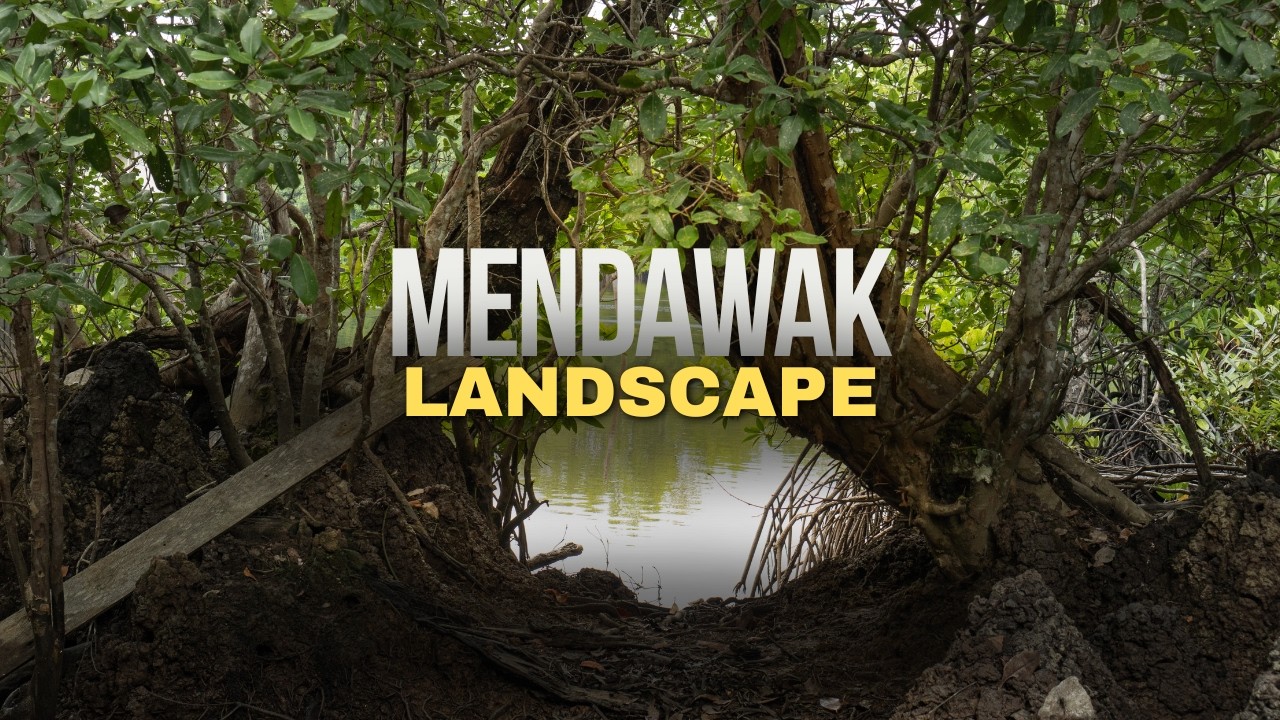
Sangga Bumi Lestari works in two landscapes in West Kalimantan


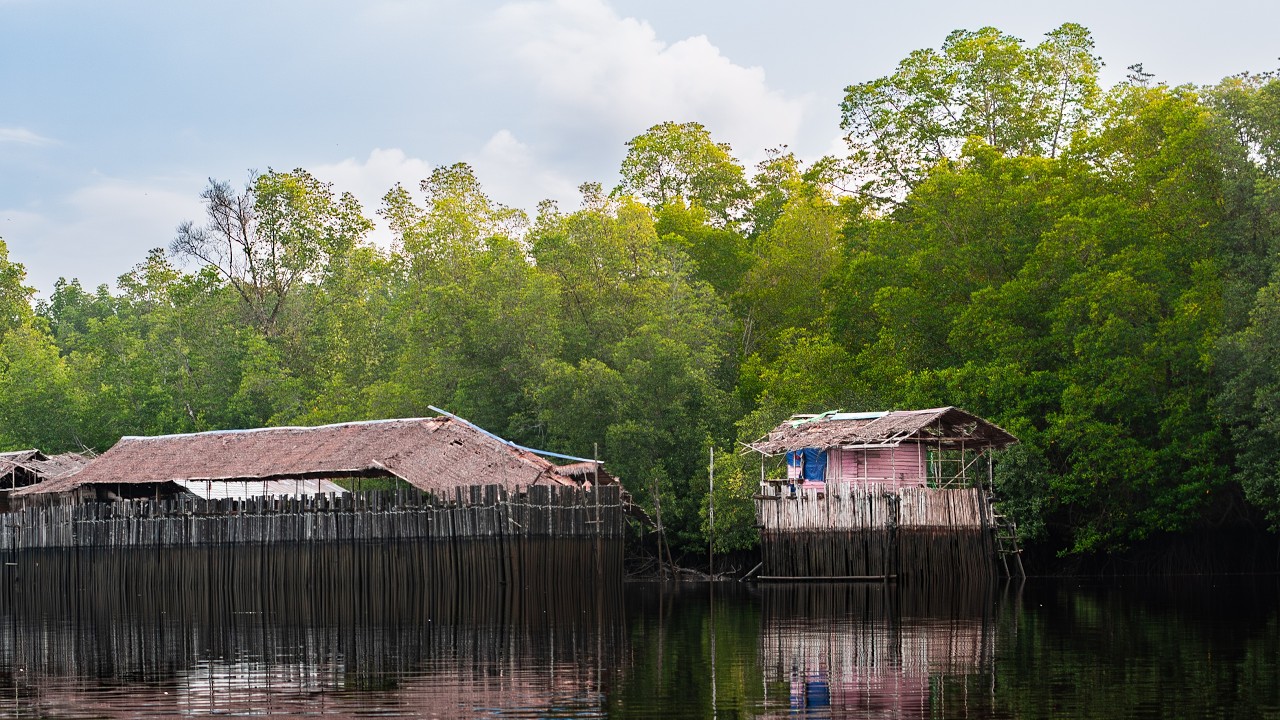
A 100,000-hectare biodiversity corridor that spans oil palm, pulp and paper, and mining concessions, and protected and unprotected village forests. Governed by a Corridor Working Group, it is demonstrating a successful model for multi-stakeholder landscape management.

A model that shows how various land-use activities can be managed in a single, mutually supportive system. Supported by the private sector, demonstrating how Corporate Social Responsibility funding can benefit rural communities in concession-dominated areas.

Obtaining Customary Forest recognition over almost 120,000-hectares across 11 villages, supporting two Forest Partnerships to strengthen villager access to in-concession areas, and assisting implementing of Indonesia’s new Preservation Area policy.
A 100,000-hectare biodiversity corridor that spans oil palm, pulp and paper, and mining concessions, and protected and unprotected village forests. Governed by a Corridor Working Group, it is demonstrating a successful model for multi-stakeholder landscape management.
Explore our work in more detail through our landscape platforms:
Multi-use landscapes that sustain biodiversity, support local livelihoods, and enable sustainable production
OUR IMPACT
We develop and implement practical, scalable models that balance conservation and development.

THEORY OF CHANGE
Problem
Conservation is largely concentrated in protected areas, yet the greatest pressures on biodiversity occur in multi-use landscapes beyond them.
Why
These landscapes are shaped by competing social, political, and economic interests. Companies, communities, and governments pursue different objectives. Few organisations have the credibility, local presence, or convening power to align them.
Approach
In West Kalimantan, we align stakeholder interests, strengthen land-use planning and governance, and implement practical models that integrate conservation into multi-use landscapes.
Impact
Biodiversity, local livelihoods, and sustainable production are sustained in multi-use landscapes beyond protected areas, providing models for wider replication.
Outcomes
-
Stronger coordination, land-use planning, and regulatory certainty.
-
Biodiversity maintained within multi-use landscapes.
-
More diverse and resilient local economies.
Assumption
When stakeholders have the capacity, incentives, and mechanisms to align competing interests, multi-use landscapes can sustain biodiversity while maintaining productive land uses.
Latest News
NEWS